


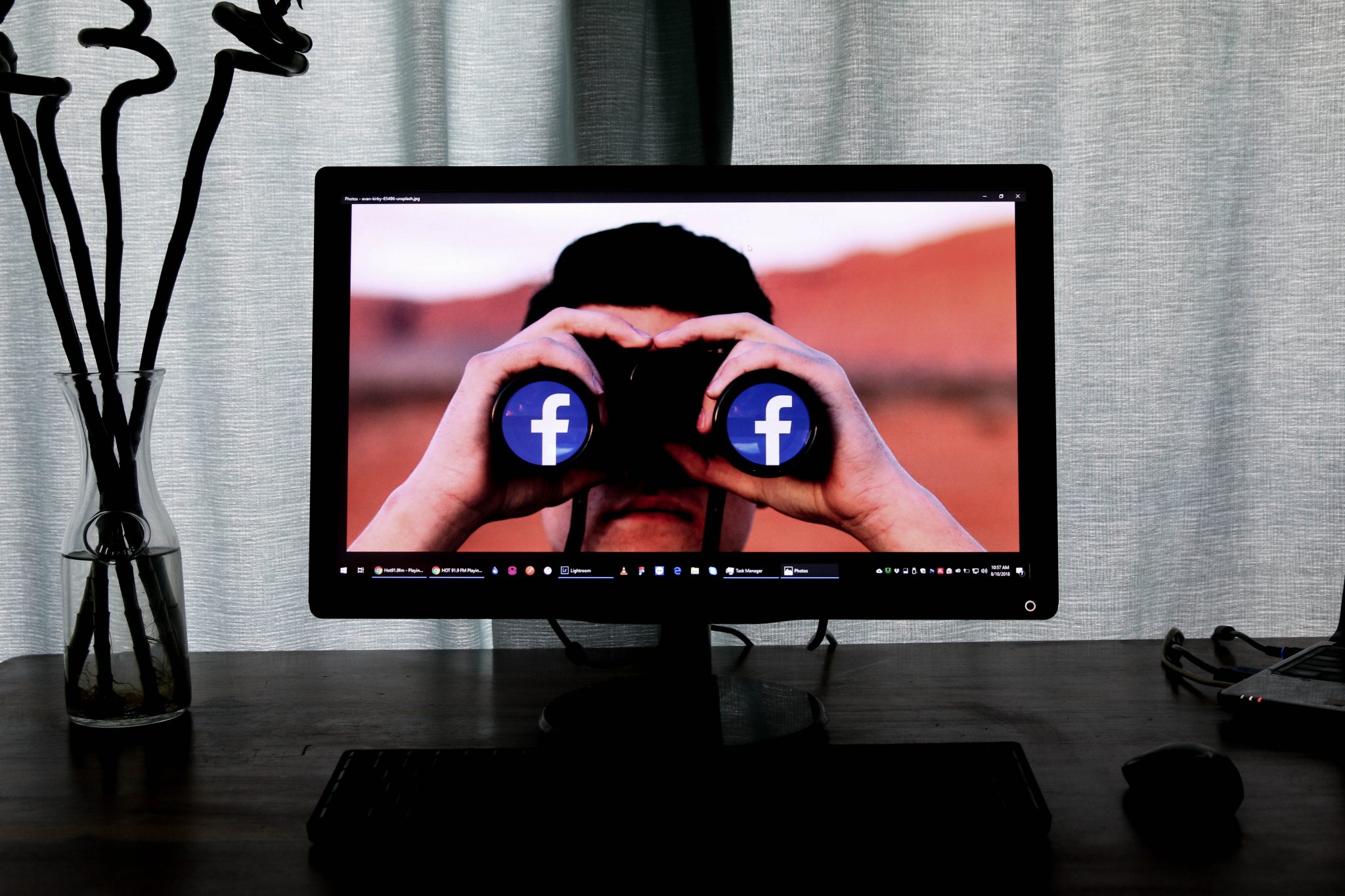
You might have seen the mainstream media going into scaremongering overdrive recently as Facebook launched their new ‘off-site activity’ tool.
The always impartial BBC went with ‘Stalking’.

If you’re not sure what we’re talking about, we don’t blame you.
Facebook announced this feature over a year ago and have only just delivered it.
The general consensus is that Uncle Zuck rushed the announcement in the wake of the Cambridge Analytica scandal to appease the baying mob. Then their developers had to play catchup behind the scenes to deliver on his promise.
In fairness, it was a good lesson in PR.
So what is Off-Facebook activity?

From Facebook’s announcement on their blog:
With Off-Facebook Activity, you can see and control the data that other apps and websites share with Facebook. You can:
* See a summary of the information other apps and websites have sent Facebook through our online business tools, like Facebook Pixel or Facebook Login;
* Disconnect this information from your account if you want to;
* and Choose to disconnect future off-Facebook activity from your account. You can do this for all of your off-Facebook activity, or just for specific apps and websites.
We are starting by gradually making Off-Facebook Activity available to people in Ireland, South Korea and Spain. We will continue to roll it out everywhere over the coming months to help ensure it’s working reliably for everyone.

What activity is included in the tool?
Anything that uses the Facebook Pixel, SDK or API.
Which covers the majority of business websites and apps.
Panicking yet?
You’ve probably got the Facebook pixel installed on your website to run remarketing campaigns, build lookalike audiences and track your advertising conversions.
How about now?
This is a bad thing, right?
Well, that is a matter of perspective.
For Facebook and advertisers, yes this could be bad for targeting.
For consumers, it gives better transparency, builds more trust and allows finer control over who we want to see ads from.
Your questions answered
Of course, you’ve got questions about how all this might affect your marketing and lead generation for your wedding business.
We’ve answered a few of the most common questions we’re getting from clients below.
If we haven’t covered your question then just ask us in the comments below.
None actually (GDPR cookie consent permitting).
Even with Off-Facebook activity disabled, Facebook will still be collecting browsing data, it will just do it anonymously.
I.e. they (and you) won’t know who specifically visited 10 different sites today, but they’ll still collect that data and build audience profiles for advertisers.
So it’s not all that bad.
Most likely, yes.
If you use remarketing or build lookalike audiences based on pixel data then you won’t be able to target users with Off-Facebook Activity disabled.
Yes, but you’ll only be able to remarket to users with tracking enabled. Users with it disabled will be unreachable via Facebook remarketing.
Yes you can, but only for those users who still have tracking enabled.
Users who have turned off Off-Facebook Activity can’t be used.
Yes, 100%.
Facebook confirmed this in a recent update. All measurement data is already anonymous and so won’t be affected by this new tool.
Who will disable Off-Facebook Tracking?

Well that’s the multi-billion dollar question, isn’t it!
If we all opt-out today, Facebook’s ad revenue would disappear pretty quickly.
The end result would either be the death of Facebook or the beginning of a paid-for, ad-free version.
This isn’t beyond the realms of possibility as YouTube has already paved the way for this type of social media model with YouTube Premium.
Ultimately, we’ll just have to wait and see what happens when the feature is rolled out to more countries.
How many people will disable Off-Facebook Activity tracking is anyone’s guess right now.
What can I do to protect my wedding business Facebook ads?
As we advocate and practice ourselves, businesses cannot rely solely on one channel for their lead generation and need to be across multiple channels at once.
First, it was was the algorithm killing your organic reach, then it was a bit of GDPR here and a Google update there and now it’s the potential removal of pixel data.
The common theme here is change.
We just need to get used to it and learn to adapt.
Keep innovating, keep experimenting and never stand still.


